



















-


-


-


-


WhatsApp

-
WeChat

EE20T Mini Excavator Maintenance Guide: Extend Lifespan & Ensure Kubota-Powered Reliability
date: 2026-03-21 author: admin
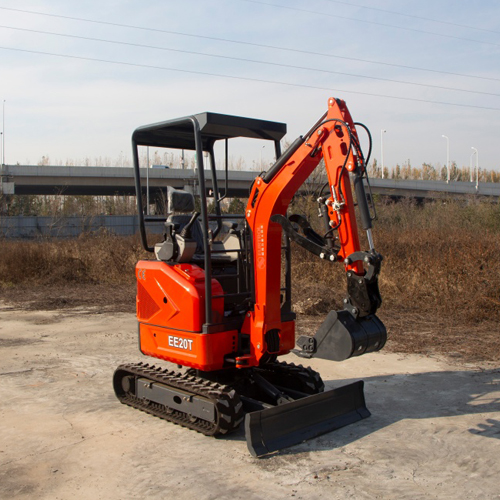
Landscaping contractors, custom home builders, and residential property owners depend on the EE20T mini excavator to tackle a full range of small-scale construction and landscaping tasks—from backyard patio foundation installations and irrigation trench digging to light grading and utility line installation. As a compact, maneuverable workhorse built for tight residential job sites, this machine relies on proactive, consistent maintenance to avoid costly unplanned downtime, minimize repair expenses, and preserve the premium performance delivered by its factory-installed Kubota engine. This comprehensive, model-specific maintenance guide outlines practical, easy-to-follow upkeep steps designed to keep your EE20T operating at peak efficiency, even with frequent, heavy use on confined residential worksites, and extend its overall service life significantly.
1. Kubota D902 Engine Maintenance: Safeguard the Core Power Unit
At the heart of the EE20T mini excavator lies the robust Kubota D902 engine, which generates 11.8kw of efficient, consistent power while meeting strict EU5 and EPA4 emissions standards. This high-performance engine is the backbone of the machine’s reliable operation, so targeted, regular engine maintenance is non-negotiable to sustain steady power output, prevent premature wear, and avoid common engine-related performance issues. Below are the core engine maintenance protocols for the Kubota D902 powerplant:
- Engine Oil & Filter Replacement: Adhere to a strict 50-hour service interval for full engine oil changes to prevent harmful sludge and carbon buildup inside the Kubota D902 engine—one of the most frequent causes of power loss, rough idling, and accelerated internal wear in mini excavators. For optimal lubrication across different climates, use 10W-30 engine oil for mild, temperate conditions, and switch to 5W-30 low-viscosity oil for cold winter operation. Always replace the oil filter with every oil change, as a clogged filter compromises oil circulation and fails to block contaminants from damaging critical engine components.
- Air Filter Maintenance: Residential and landscaping job sites are prone to high levels of dust, grass clippings, dirt, and debris, which quickly clog air filters and disrupt engine airflow. Clean the engine air filter every 100 operating hours, or on a monthly basis for daily, frequent use; for extremely dusty job sites, shorten this interval to avoid strain. A blocked air filter restricts oxygen flow to the engine, directly reducing fuel efficiency, lowering power output, and forcing the engine to work harder than necessary. This simple, high-priority task prevents avoidable engine stress and prolongs core component life.
- Fuel System Upkeep: If the EE20T will be inactive and stored for more than 30 consecutive days, add a high-quality fuel stabilizer to the fuel tank to prevent fuel degradation, gelling, and varnish buildup inside the Kubota engine’s fuel lines and carburetor. Additionally, drain old, stagnant fuel from the system once per year to eliminate sediment and residue that can cause carburetor clogs, hard starting, and unresponsive throttle performance—issues that directly hinder the excavator’s on-the-job efficiency.
2. Hydraulic System Care: Maintain Precision for Confined-Space Operations
The EE20T’s hydraulic system powers its 0.04m³ standard bucket, as well as optional attachments including thumb grips, front shovels, and grading tools, making it responsible for the machine’s precise, smooth operation—especially critical when working in tight residential spaces, around existing landscaping, or near underground utilities. Preserving hydraulic fluid integrity and system functionality is key to avoiding jerky movements, reduced lifting capacity, and costly hydraulic failures. Follow these dedicated hydraulic system maintenance steps:
- Daily Hydraulic Fluid Level Checks: Inspect hydraulic fluid levels every single day before starting the machine, particularly after heavy use with attachments or prolonged digging operations. Only top up the system with premium ISO 46 hydraulic fluid to maintain proper fluid levels and pressure; low fluid levels allow air to enter the hydraulic system, which causes unsteady movements, weak lifting power, and premature wear to hydraulic pumps and cylinders.
- Weekly Leak Inspections: Conduct a thorough visual check of all hydraulic pipes, hoses, fittings, and connections on a weekly basis. The EE20T’s compact, streamlined design positions hydraulic lines close to moving undercarriage and boom components, meaning even small cracks, loose fittings, or minor seepage can escalate rapidly into major fluid leaks and system damage. Tighten loose fittings immediately, and replace worn seals, cracked hoses, or damaged lines right away to prevent catastrophic hydraulic failure.
- Cold-Weather Warm-Up Routine: On cold mornings or during winter operation, run the engine at idle for 3 to 5 minutes to warm up the entire machine, then cycle through all hydraulic functions fully—including boom lift, arm curl, bucket rotation, and upper structure swing. This pre-operation warm-up thins cold hydraulic fluid, ensures consistent pressure distribution, and delivers smooth, responsive performance when working on delicate landscape beds or near sensitive underground utilities, avoiding sudden, jerky movements that can damage job site features.
3. Track Maintenance: Tailored Care for Rubber or Steel Crawler Configurations
The EE20T mini excavator comes with two track options: block rubber tracks for urban/residential use and steel crawler tracks for rough, uneven terrain. Each track type requires targeted maintenance to preserve traction, minimize wear, and extend the lifespan of the entire undercarriage system. Follow the model-specific track care guidelines below:
- Block Rubber Track Maintenance (Residential/Paved Surfaces): Rubber tracks are designed for gentle use on paved sidewalks, lawns, and finished landscapes, as they avoid surface damage and provide stable traction. After every use, clear away dirt, rocks, grass, and debris from track links and rollers to prevent abrasive wear and premature cracking. Adjust track tension every 200 operating hours: over-tightened tracks are prone to cracking and breakage in hot summer temperatures, while loose tracks slip on wet grass or muddy ground, reducing maneuverability and accelerating sprocket wear.
- Steel Crawler Track Maintenance (Rough Terrain): Steel crawler tracks are built for gravel, mud, rocky, and uneven job sites, offering superior durability in harsh conditions. Conduct a monthly inspection to check for bent track links, worn sprockets, damaged rollers, and loose pins. Lubricate all track pins and bushings every 100 hours to reduce friction between moving undercarriage parts, minimize metal-on-metal wear, and extend the service life of the entire track and undercarriage assembly.
4. Daily Pre-Use Inspections & Seasonal Adjustment Protocols
Quick 5-Minute Daily Pre-Operation Check
Before starting each work shift, complete a fast 5-minute visual and functional inspection to catch minor issues before they turn into major repairs. Focus on these four key areas:
- Track tension status and debris buildup in tracks and undercarriage
- Engine oil and hydraulic fluid levels (top up as needed with approved fluids)
- Pilot control responsiveness and smooth operation
- LED work light functionality, critical for evening or low-light residential projects
Seasonal Maintenance Prep
Adjust your maintenance routine to match seasonal weather conditions, protecting the EE20T from temperature-related damage and ensuring year-round reliability:
- Winter Preparation: Switch to low-viscosity hydraulic fluid compatible with freezing temperatures, and install a battery trickle charger to prevent battery drain and freezing in the excavator’s compact frame. This ensures easy cold starts and consistent hydraulic performance in frigid conditions.
- Summer Preparation: Clean radiator fins weekly to remove dust, dirt, and debris that block airflow and cause overheating. The Kubota D902 engine runs hotter in high summer temperatures, and a clean radiator prevents overheating, power loss, and potential engine damage during long workdays.
---
Keep your EE20T mini excavator operating flawlessly for every residential build, landscaping upgrade, and small-scale construction project with consistent, targeted upkeep. For personalized support, reach out to our team today to request a free, printable EE20T maintenance checklist customized to your machine’s unique configurations—including rubber vs. steel tracks, cabin or non-cabin models, and optional attachments. Our experts are also on hand to provide professional guidance for all your compact excavator maintenance and repair needs, ensuring maximum uptime and long-term reliability.